
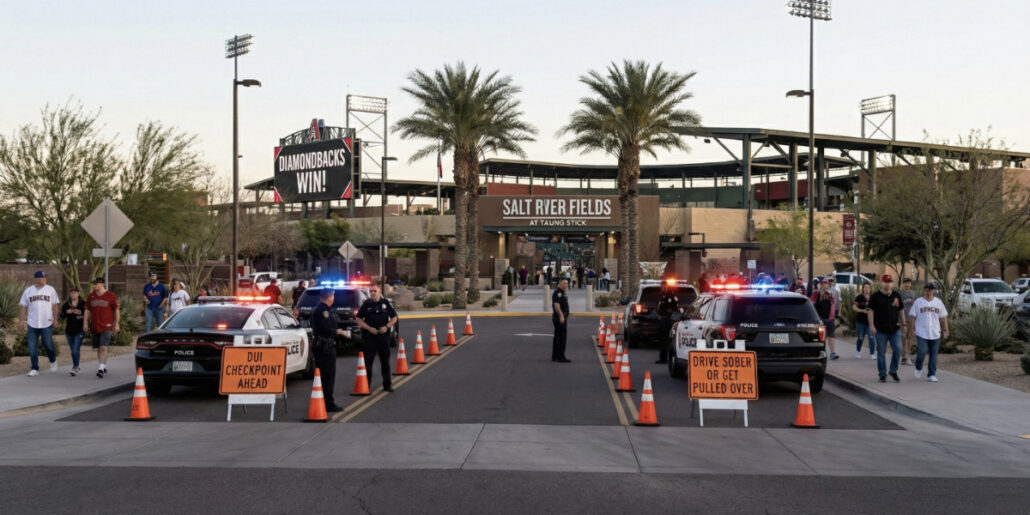
Arizona DUI Checkpoints: Balancing Public Safety and Individual Rights
The use of DUI checkpoints in Arizona, especially during high-profile events in areas like Glendale, Phoenix, Scottsdale, and Tempe, has sparked an ongoing conversation. In this opinion editorial, we take a closer look at the legal framework behind these checkpoints, examine the delicate twists and turns of the process, and discuss how drivers can steer through these nerve-racking encounters while knowing their rights. Our aim is to offer readers a balanced exploration of the issues that are full of problems for law enforcement officials and drivers alike.
Understanding the Legal Legitimacy of DUI Checkpoints
DUI checkpoints are a common sight in Arizona and are designed to discourage impaired driving. Legally, DUI checkpoints are allowed in the state provided that law enforcement adheres to strict constitutional guidelines designed to limit arbitrary enforcement. The key case, State v. Superior Court (Simmons), stands as a reminder that officers must use a neutral formula when selecting which vehicles to stop. Instead of pulling over drivers at random, selections must follow a predetermined plan – for example, stopping every third or fifth car.
This method, although it may seem intimidating to some drivers, is implemented to ensure both the safety of the public and the constitutional rights of motorists. The procedure is meant to minimize any confusing bits or complicated pieces that could leave drivers feeling overwhelmed. By following an approved plan, the police aim to prevent abuses of power and ensure that the process remains fair and transparent.
How DUI Checkpoints Operate During Major Sporting Events
One of the most visible times for DUI checkpoints is during major sporting events. Consider the thrill of a Cardinals game at State Farm Stadium, a Suns match in downtown Phoenix, or college football bowl games where crowds converge in Tempe and Scottsdale. These events tend to draw large numbers of fans, and with the excitement comes an increased risk of driving under the influence. In response, law enforcement amps up operations in a way that might seem overwhelming at first glance.
At these events, checkpoints are often strategically placed near high-traffic areas such as stadiums, busy highways, and entertainment districts. Here’s an overview of the process:
- Pre-planned routes: Before the event, supervisors approve the location, timing, and method for each checkpoint.
- Regular pattern stops: Officers stop vehicles in a set pattern (such as every third or fifth car) to ensure neutrality and prevent arbitrary stops.
- Initial screening: During the brief stop, officers check identification, vehicle registration, and look for signs of intoxication like slurred speech or the smell of alcohol.
- Extended evaluation: If the officer observes any signs that raise suspicion, they may extend the stop to conduct further tests such as field sobriety tests or a breathalyzer.
Despite the excitement and the adrenaline of a major event, law enforcement officials are required to abide by the rules, ensuring that the process does not infringe on drivers’ rights. These extra layers of checks are key in making sure that the operation stays within legal boundaries without creating additional legal troubles.
Your Rights and Responsibilities at DUI Checkpoints
Being stopped at a DUI checkpoint is off-putting for many drivers, especially when emotions are already running high around major events. However, understanding your rights and responsibilities can help you feel more confident in such situations. When you approach a checkpoint, here are some essential points to remember:
- Identification: Always have your driver’s license, proof of insurance, and vehicle registration ready. Arizona law requires these documents, and failure to produce them may lead to further legal complications.
- The right to remain silent: While you must show identification, you are not required to answer questions about your recent activities or alcohol consumption. A polite refusal to engage beyond providing the essentials is perfectly within your rights.
- Field sobriety tests: These tests, including walking a straight line or standing on one leg, are voluntary. You have the right to decline these tests, although it is wise to consult with a DUI attorney before doing so, as refusal might lead to administrative consequences.
- Breathalyzer tests: Post-arrest, under Arizona’s implied consent law (ARS 28-1321), you are required to comply with a breathalyzer test. If you refuse, be aware that this can result in an automatic license suspension.
Being informed about these fine points helps you figure a path through the process. Although the situation may seem intimidating, a clear understanding of your rights and responsibilities can help lessen the stress and confusion during a checkpoint stop.
Navigating Field Sobriety and Breathalyzer Testing
The moment an officer asks you to perform a field sobriety test or a breathalyzer, you may feel that the situation is escalating into a nerve-racking ordeal. Here’s what usually happens:
Initially, officers conduct field sobriety tests designed to assess your coordination and alertness. These tests can include walking in a straight line, balancing on one foot, or tracking an object with your eyes. While these tests might seem simple, they are filled with subtle parts that could be influenced by factors such as fatigue, weather conditions, or even the type of pavement. For example, an uneven surface can easily impact your performance, leading to results that are full of problems rather than being a clear indicator of intoxication.
If the officer suspects further impairment, you may be asked to take a breath test. Breathalyzers are sophisticated devices that must be properly calibrated and administered according to strict protocols. However, issues such as maintenance problems or operator error can affect their reliability. It is essential to remember that if you are facing a DUI charge, your defense team can request a closer look at these testing procedures, challenging any missteps that might have occurred.
Here is a simplified breakdown of the process:
| Step | What to Expect |
|---|---|
| Initial Contact | Officer asks for identification and briefly observes the driver. |
| Field Sobriety Testing | Measurements like balance and coordination are assessed through simple physical tasks. |
| Breathalyzer Test | If suspicion remains, a breath test is administered under strict guidelines. |
| Possible Arrest | If tests indicate possible intoxication, an arrest may follow. |
Each step of this process comes with its own set of challenges. The subtle parts and hidden complexities involved can sometimes become the focal point of a legal defense.
Protecting Your Rights During a Vehicle Search
One common question that arises during a DUI checkpoint stop is whether police can search your vehicle without your consent. It’s important to understand that, under the Fourth Amendment, your vehicle is protected against unreasonable searches. Officers must have probable cause, your explicit consent, or face exigent circumstances to perform a search during the checkpoint stop.
If you are asked for permission to search your vehicle, you have the right to say no. Politely declining to consent can help preserve your constitutional rights and provide your attorney with a strong basis if a challenge is needed later in court. Keeping this in mind can be one of the best ways to manage your flight through such an encounter.
Defense Strategies After a DUI Arrest at a Checkpoint
If you find yourself arrested after a DUI checkpoint stop, it’s useful to know that several defense strategies are available. Every case, much like the twists and turns of a major legal battle, is unique. Here are some common tactics used to challenge DUI arrests:
- Challenging the checkpoint’s legality: If the checkpoint deviated from its predetermined plan, this can potentially be argued as a violation of constitutional protections.
- Lack of reasonable suspicion: Arguing that the stop was extended without sufficient reason can sometimes help reduce or dismiss charges.
- Questioning the probable cause: If evidence collected at the checkpoint is found wanting in meeting the standards of probable cause, it may form the basis for a defense.
- Breathalyzer accuracy issues: Errors in device calibration, maintenance faults, or operator mistakes can all be used to cast doubt on the test results.
- Constitutional violations during the encounter: Any failure by law enforcement to advise you of your right to remain silent may also be critical in finding a legal loophole.
Working with a seasoned DUI attorney who understands the little details and has experience with these twisted and tangled issues is super important. With the right guidance, you can essentially take control of the narrative in court and hopefully steer your case towards a more favorable outcome.
Long-Term Implications and the Importance of Legal Support
One of the more overwhelming aspects of a DUI stop – especially after a high-profile checkpoint at a sporting event – is understanding the long-term consequences. A DUI charge not only has immediate effects, like potential license suspension and fines, but it can also cast a long shadow over your personal and professional life. For many, this is more than a fleeting scare; it is a legal hurdle that can affect job opportunities, insurance rates, and even relationships.
Even if you believe that your interaction at a checkpoint was just a minor interruption, the twists and turns of legal processes ensure that every detail is subject to intense scrutiny. This is where the role of a qualified DUI defense attorney becomes essential. Consider the following key reasons why expert legal support is critical:
- In-depth case review: An experienced attorney will carefully poke around the details – from officer reports to body camera footage – to identify any mistakes that might help your case.
- Understanding testing nuances: Professionals can spot subtle differences in how tests were administered and identify any hidden issues with devices that may have impacted your results.
- Strategic defense planning: With nearly two decades of experience and thousands of successful outcomes, a seasoned lawyer can steer through both the legal and administrative challenges that come with DUI charges.
- Mitigating future impact: Expert legal guidance helps in not only reducing the current charges but also in setting the stage for more favorable long-term outcomes, such as minimizing license suspensions or reducing penalties.
It is critical to recognize that every detail matters when defending against a DUI charge. The fine points discussed above serve as a reminder that the legal process is filled with confusing bits and subtle parts that require thoughtful analysis and response.
Real-Life Experiences and Lessons Learned
Real-life incidents often provide compelling narratives that underscore both the strengths and weaknesses of DUI checkpoints. Drivers who have been stopped at these checkpoints during major sporting events frequently express mixed feelings. On one hand, many appreciate the visible efforts of law enforcement to keep the roads safe during event nights. On the other hand, the stops can feel nerve-racking, and the procedures followed sometimes lead to lingering concerns about whether every twist and turn in the process respected their rights.
Here are a few lessons gathered from various real-life encounters:
- Be prepared: Always carry the necessary documents and understand your rights before you find yourself in an off-putting situation.
- Stay calm and cooperative: Even if the situation seems full of problems, keeping a cool head can help simplify what might otherwise appear as a complicated piece of a larger legal puzzle.
- Document the encounter: If possible, note down details about the interaction and any observations you make. These little details can be useful if you end up challenging the stop.”
- Consult legal advice immediately: Early engagement with a DUI defense attorney can be key, as prompt action may help preserve evidence and clarify the procedures that were or were not followed.
These experiences collectively build a foundation of lessons that can help other drivers figure a path through similarly overwhelming encounters. Each story adds another layer of understanding to what is an increasingly public debate about the balance between safety and personal freedom.
Evaluating the Broader Impact on Public Policy
The debate over DUI checkpoints also touches on broader public policy issues. The primary aim of these checkpoints is to reduce impaired driving incidents and safeguard the community during events that attract large crowds. From a public safety standpoint, the presence of these checkpoints can be considered super important. They deter intoxicated driving through a visible reminder of the legal consequences that follow impaired behavior on the road.
Critics, however, argue that while the intention is pure, the implementation is often mired in twisted issues that affect the everyday rights of drivers. Some claim that these stops are sometimes used as blanket instruments for broader traffic enforcement rather than focusing solely on genuine intoxication issues. This ongoing debate is not only about the mechanics of a DUI checkpoint but also about the right balance between enforcement and individual liberty.
The key here is transparency and regular evaluation of procedures. Law enforcement agencies have a responsibility to ensure that every checkpoint is clearly planned and executed in line with constitutional guidelines. At the same time, public input and independent oversight can help address concerns about whether checkpoints are sometimes used as pretexts for more aggressive enforcement tactics.
Looking Toward the Future of DUI Enforcement
As technology evolves and public awareness of civil rights increases, the methods used in DUI enforcement are also likely to change. Modern checkpoints might soon incorporate advanced technology, such as automated license plate recognition and improved breath testing devices. These changes could provide more accurate data and reduce the possibility of mistakes that are full of problems for drivers and law enforcement alike.
However, any advancement must be weighed against the need to preserve individual rights. The duo of enhanced technology and strict legal oversight can ensure that protective measures remain balanced with effective enforcement. Future DUI policies should address the glitches and hidden complexities that have been identified in the current process, making the system as transparent as possible while still keeping the roads safe during those high-energy sporting events.
Final Thoughts: Balancing Safety, Rights, and Accountability
The landscape of DUI checkpoints in Arizona is one that is both super important for public safety and equally critical for protecting individual rights. When faced with the challenges presented by DUI stops, whether during major sporting events or quieter nights, it becomes essential to understand both the legal process and your rights as an individual.
Drivers should remember that while this process can be intimidating and filled with confusing bits, the existence of DUI checkpoints is based on solid legal principles meant to protect everyone. From having a predetermined stop plan to ensuring that every test is carried out under strict guidelines, law enforcement strives to maintain a balance between deterring impaired driving and respecting constitutional rights.
At the same time, it is important for citizens to remain informed and proactive. Engaging with legal experts who understand the little twists and turns of DUI enforcement can help ensure that your rights are maintained. This is not only about avoiding potential penalties but also about contributing to a broader conversation on how best to manage public safety and civil liberties.
In conclusion, maintaining public safety while protecting individual freedoms is a challenging yet essential task. Whether you are a driver navigating your way through a DUI checkpoint or a policymaker figuring a path through the many puzzling aspects of legal enforcement, the goal remains the same: to find a fair, balanced, and effective system that works for all. By continuing to engage in informed debates and improvements, Arizona can set a strong example of how to manage tricky parts of DUI enforcement without sacrificing the rights that are so central to our community.
Summary of Key Points
Below is a quick summary of the main points discussed in this editorial:
- Legal Framework: DUI checkpoints in Arizona are legal if they follow a predetermined, neutral formula approved by supervisory authorities.
- Operation During Events: Major sporting events often lead to increased checkpoint activity near high-traffic areas to deter impaired driving.
- Your Rights: Drivers must provide identification but have the right to remain silent and can decline field sobriety tests (with potential consequences).
- Field Sobriety and Breath Testing: While designed to assess impairment, testing procedures are subject to challenges if proper protocols are not followed.
- Vehicle Searches: Officers cannot search your vehicle without proper probable cause, consent, or exigent circumstances.
- Defense Strategies: In cases of DUI arrest, various tactical defenses can be employed if the process deviated from legal requirements.
- Long-Term Considerations: A DUI charge can have lasting impacts on personal and professional life, underscoring the importance of expert legal advice.
- Policy Implications: While checkpoints promote safety during events, they also raise important questions about enforcement practices and individual rights.
Conclusion
While DUI checkpoints may be an off-putting and nerve-racking experience for many, especially in the context of bustling sporting events in Arizona, understanding the process can empower drivers and citizens alike to protect their rights and make informed decisions.
The key takeaway is that balancing enforcement with constitutional safeguards is not only possible but necessary. Every driver, law enforcement officer, and policy maker plays a part in ensuring that safety protocols are effective without becoming overly complicated pieces of an already tense system.
For anyone facing charges or concerns related to a DUI checkpoint stop, seeking guidance from an experienced attorney can help you work through and even challenge any problematic issues that arise during these encounters. In a rapidly changing legal and technological environment, staying informed and proactive is super important for maintaining both public safety and individual rights.
By taking the time to understand the steps involved, the subtle parts of the testing procedures, and the potential defenses available in a DUI case, you can better handle these challenging situations. Ultimately, informed citizens and fair policies pave the way for a legal system that is both just and effective – an outcome that benefits everyone on the road.
Read more about this topic at https://arjashahlaw.com/criminal-defense/arizona-dui-checkpoints-in-glendale-phoenix-scottsdale-and-tempe-over-sports-events/
Related articles you might like
Your Rights at DUI Checkpoints in Florida
Are DUI Checkpoints Legal in Florida? What You Need To …